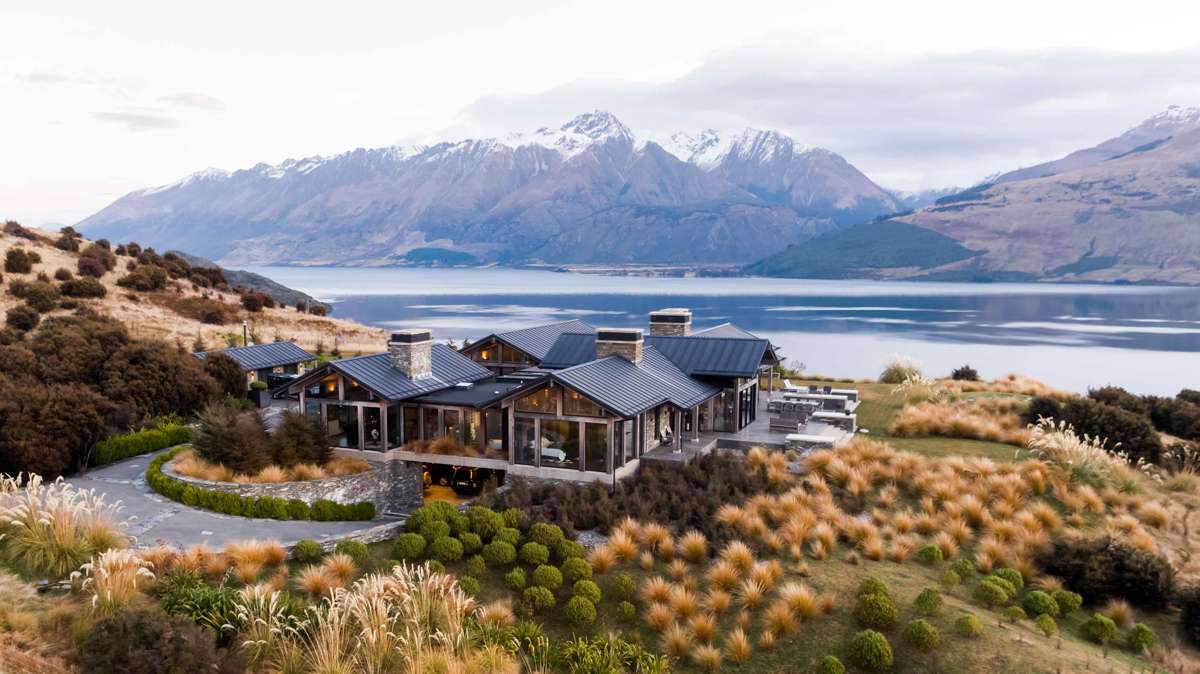
Why New Zealand Luxury Tourism Destinations Are Attracting Global Investors
As global wealth grows, high-value travellers are increasingly seeking unique destinations and authentic experiences. Discover why New Zealand's luxury tourism market is emerging as a compelling investment infrastructure opportunity.
Gold: The Traditional Safe Haven
Gold has long been considered financial insurance. It is liquid, globally recognised, and historically performs well during periods of inflation, currency instability, or geopolitical stress.
Central banks have also increased gold purchases in recent years, reinforcing its role as a defensive asset.
However, in most high-net-worth portfolios, gold represents only a small allocation. Wealth management surveys typically show 3–5% portfolio exposure to gold or precious metals, reflecting its role as a hedge rather than a primary growth asset.
Gold protects wealth, but it produces no income and limited structural demand growth beyond macroeconomic cycles.
How the Ultra-Wealthy Actually Allocate Capital
To understand the comparison, it helps to look at how wealthy investors structure portfolios.
Recent surveys of high-net-worth investors suggest typical allocations roughly resemble the following:
- •51% public equities
- •28% private and alternative assets
- •~10% investment real estate
- •11% primary residence equity
- •~5% bonds
- •~5% cash
When both residential and investment property are included, real estate often represents 20–25% of total wealth for affluent investors.
In other words:
Gold protects wealth.
Luxury tourism destinations, by contrast, combine operating hospitality income with the long-term value of exceptional locations.
The Rise of "Safe-Haven Real Estate"
Over the past two decades, wealthy investors have increasingly sought access to premium destinations and hospitality assets in politically stable countries as a long-term store of value.
Global examples include Monaco, Switzerland, Singapore, Aspen, and prime London real estate.
These markets share three characteristics:
- Political stability and strong property rights
- Lifestyle desirability
- Severely constrained supply
New Zealand shares all three.
It consistently ranks among the world's most stable democracies, has strong legal protections for property ownership, and offers globally unique landscapes and lifestyle opportunities.
For globally mobile wealth, property in countries like New Zealand often functions as a strategic lifestyle asset as well as an investment.
Scarcity: The Key Driver
Scarcity is one of the most powerful forces supporting long-term value in premium tourism destinations.
And in New Zealand, true ultra-luxury property is extremely limited.
Recent reporting indicates there are only around 142 homes listed nationwide above NZD $10 million.
In regions such as Queenstown and Wānaka, supply is even more constrained due to landscape protections, planning regulations, and limited lakefront land.
Unlike financial assets, these locations cannot be replicated.
Global Wealth Is Expanding Rapidly
The number of ultra-high-net-worth individuals globally continues to grow.
There are now more than 600,000 individuals worldwide with wealth exceeding US$30 million, and this population is expected to expand significantly over the coming decade.
At the same time, many wealthy investors are actively seeking safe jurisdictions for asset diversification and lifestyle relocation.
New Zealand has increasingly featured in that discussion.
Migration and Capital Flows
Policy changes have also played a role.
New Zealand recently updated its investment migration framework through the Active Investor Plus Visa, designed to attract wealthy individuals willing to invest capital in the country.
New Zealand's Active Investor Plus framework is designed to attract investors willing to deploy capital into businesses and economic activity within the country.
Even relatively small inflows of ultra-wealthy migrants can influence markets like Queenstown, where the number of properties above $5–10 million remains very limited.
Gold vs Luxury Property
None of this suggests gold loses its relevance.
Gold remains valuable for:
- •Systemic crisis protection
- •Currency diversification
- •Portfolio hedging
But gold's price is largely driven by macro-economic sentiment.
Luxury real estate, by contrast, benefits from demographics, migration, lifestyle demand, and physical scarcity.
These structural forces can create long-term appreciation that defensive assets typically do not generate.
A Strategic Opportunity
For many investors, the real challenge is access.
Premium New Zealand tourism ventures — particularly those centred on boutique lodges, private villa retreats, and destination hospitality experiences — are often difficult for international investors to identify and participate in.
This is where Rangi Aotearoa plays a role.
Rangi connects investors with carefully structured luxury tourism ventures that develop and operate exceptional lodge and villa destinations across New Zealand.
By combining world-class locations with professional hospitality management, these ventures create premium tourism destinations capable of attracting high-value international travellers.
In an uncertain world, access to exceptional places — supported by strong governance, stable jurisdictions, and global tourism demand — may become increasingly important for long-term investors.
What do you think?
Could New Zealand's luxury real estate market become a global safe-haven asset class over the next decade?
Ready to Explore Real Opportunities?
Discover how Rangi Aotearoa connects global investors with premium New Zealand tourism ventures.
View Featured Ventures